BANGKOK, Thailand, September 22, 2026— The 2026 Tengchong Scientists Forum Bangkok Conference opened this week in Bangkok, Thailand, under the theme “Connecting the World Through Intelligence, AI Transforming the Future of Life Sciences.”
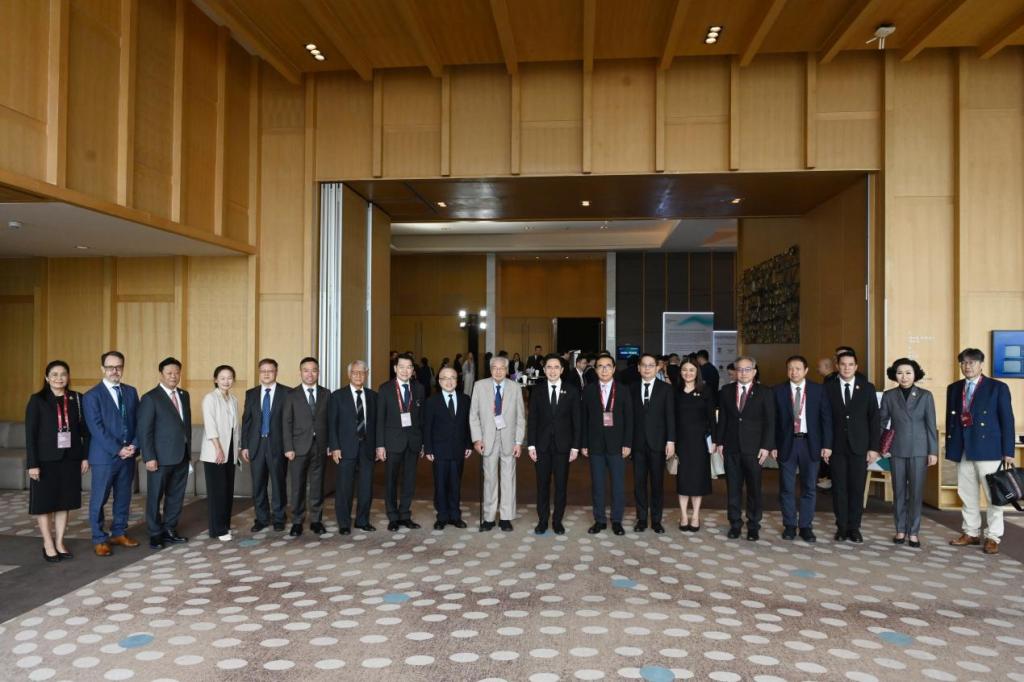
Group photo of attendees at the 2026 TSF Bangkok Conference opening ceremony, Bangkok, September 21, 2026.
As the first overseas event of the Tengchong Scientists Forum(TSF)and the official launch of its TSF Global Science Dialogue series, the Bangkok Conference marks a major step in the Forum’s international development. Held from September 20 to 22,thethree-day event brings together more than 300 scientists, government officials, university leaders, industry representatives and international organization representatives from over 10 countries and regions, with a focus on artificial intelligence, life sciences, health innovation and the cross-border translation of scientific achievements.
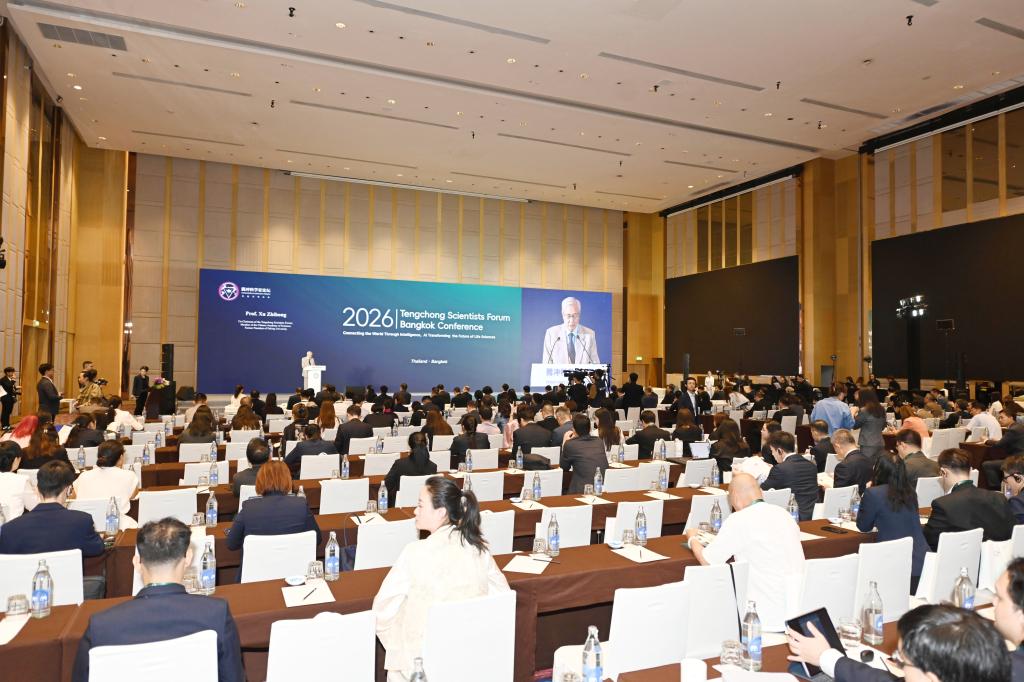
The 2026 TSF Bangkok Conference opens on September 21, 2026, in Bangkok, Thailand.
The conference is hosted by the Ministry of Higher Education, Science, Research and Innovation of Thailand and the Tengchong Scientists Forum Organizing Committee Office. It is co-organized by the CAS Innovation Cooperation Center (Bangkok), Tengchong Scientists Forum Center and Mahidol University, with support from Yunnan Baiyao Group Co., Ltd., Asian Institute of Hospitality Management, The Chinese Chamber of Commerce of Thailand and Thai-Chinese Commerce Association.
Opening Ceremony Highlights China–Thailand ScientificCooperation
The opening ceremony was attended byH.E. Prof. Yodchanan Wongsawat, Deputy Prime Minister and Minister of Higher Education, Science, Research and Innovation of Thailand.Prof. Xu Zhihong,Co-Chairman of the TSF, Member of the Chinese Academy of Sciences and former President of Peking University;Prof. Bai Chunli,Conference Chairman, Member and former President of the Chinese Academy of Sciences and member of the TSF Advisory Committee;Ms. Pennapa Kanchana,Inspector General of Ministry of Higher Education, Science, Research and Innovation of Thailand;Mr. Wu Zhiwu,Chargé d'Affaires ad interim of the Embassy of the People's Republic of China in the Kingdom of Thailand;Mr. Chen Fengwei,Secretary of the Shanghai Advanced Research Institute, Chinese Academy of Sciences; andProf. Piyamitr Sritara,President of Mahidol University.They delivered remarks highlighting the importance of strengthening China–Thailand scientific cooperation and building an open, trusted and mutually beneficial platform for regional innovation.Thesessionwas moderated byProf. Nopraenue Sajjarax Dhirathiti, Vice President for Global Partnerships and University Council atMahidol University.
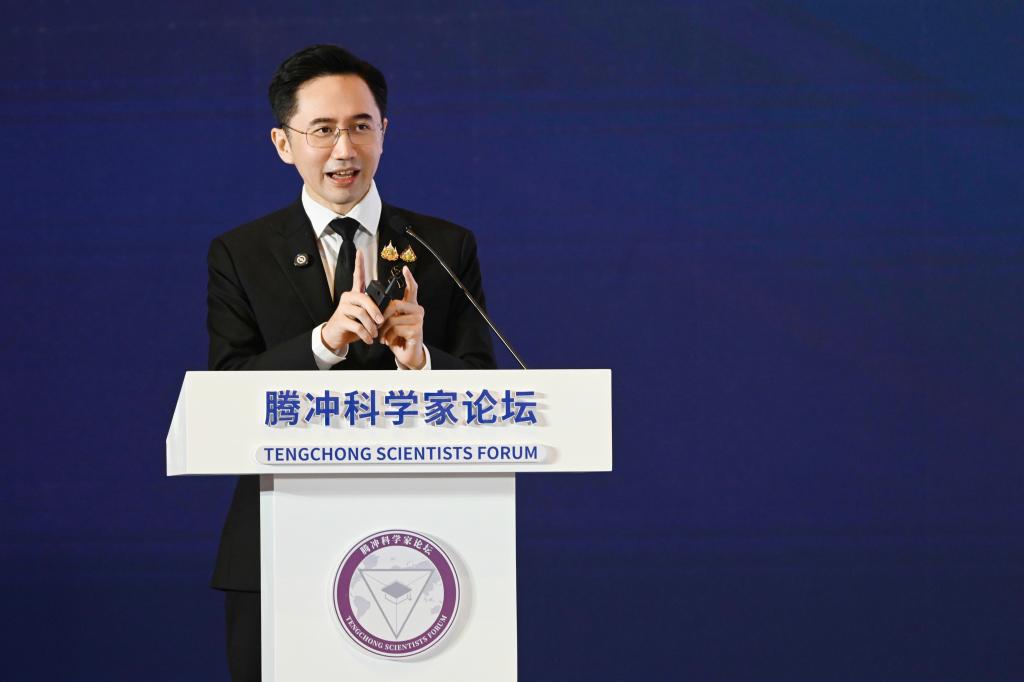
H.E. Prof. Yodchanan Wongsawat, Deputy Prime Minister and Minister of Higher Education, Science, Research and Innovation of Thailand, delivers a keynote speech at the 2026 TSF Bangkok Conference.
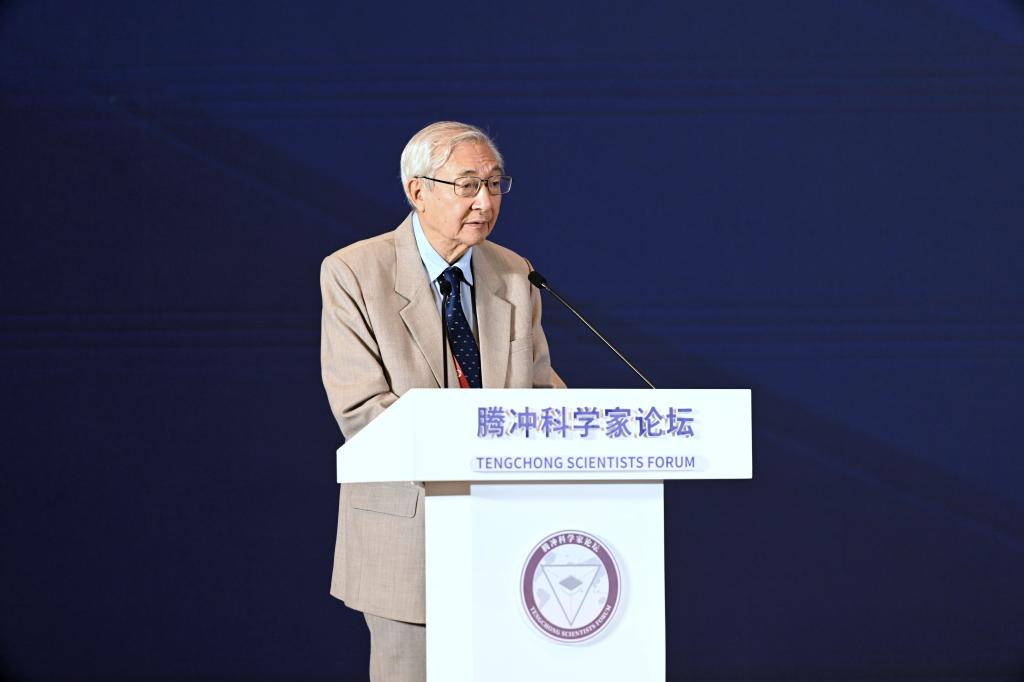
Prof. Xu Zhihong, CAS academician and Co-Chair of the Tengchong Scientists Forum addresses the opening ceremony of the 2026 TSF Bangkok Conference.
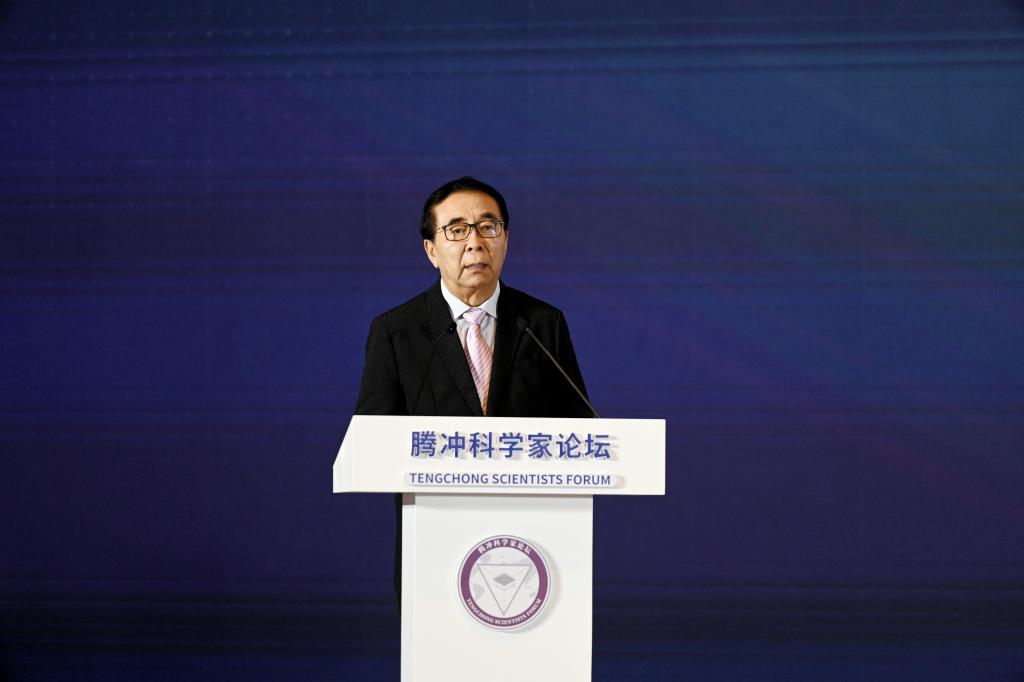
Prof. Bai Chunli, CAS academician and Chairman of the Conference, addresses the opening ceremony of the 2026 TSF Bangkok Conference.
Prof. Xu Zhihongsaid that collaboration has always been theTSF’s defining feature. He noted that the Bangkok conference marks the first step in expanding the Forum’s international presence, leveraging Thailand’s strengths in life sciences and the growing science and technology ties between China, Thailand and ASEAN.Prof. Bai Chunlinotedthatscience transcends national borders. In addressing shared global challenges, scientists, entrepreneurs and policymakers should strengthen open cooperation, leverage complementary strengths and pursue joint innovation.
Ms. Pennapa KanchanasaidChina has made considerable progress in science, technology, and innovation, while Thailand has the potential to foster cooperation with various countries in the region. This meeting is therefore an important platform for exchanging knowledge, building networks of scientists and researchers, and further developing cooperation in AI and life sciences between China, Thailand, and ASEAN, in order to jointly create new benefits and opportunities for the region in the future.
AI and Life Sciences Take Center Stage
In his keynote speech,Prof. Wongsawathighlighted the potential for AI to augment rather than replace human intelligence, positioning the integration of AI and human capabilities as an important area for Thailand-China-ASEAN cooperation. He introduced the five missions of the Thailand Brain Initiative—Compute Better, Live Better, Learn Better, Recover Better, and Experience Better—covering applications in human potential, learning, health and recovery, and human well-being. He further highlighted Thailand’s potential role as a clinical testing and regional gateway, linking China’s technological capabilities in AI and brain-computer interfaces with Thailand’s healthcare ecosystem and the broader ASEAN market of more than 600 million people. He emphasized opportunities for joint technology development, clinical validation, localization, and wider access to neurotechnology across the region.
Dr. Jing Cheng,Member of the Chinese Academy of Engineering and Chair Professor at Tsinghua University, presented “Transforming the Practice of TCM by AI,” showcasing AI-driven innovations in disease screening, diagnosis, personalized treatment and rapid testing that are modernizing traditional Chinese medicine and advancing precision healthcare.AndMr. Xia Lixue,Co-Founder & CEO of Infinigence AI, delivered “Chinese Innovation Shapes an Inclusive AGI Future,” highlighting China’s systemic strengths in AI infrastructure and its vision to work with global partners to build inclusive AI productivity at scale.
The keynote session was moderated byMs. Liu Chang, Deputy Director-General of the Department of International Cooperation, Chinese Academy of Engineering, and Deputy Director-General of the Yunnan Provincial Department of Science and Technology.
The conference also featured three dialogue sessions addressing different dimensions of regional science cooperation. The Frontier Perspectives · Leaders Dialogue, under the theme“Building Consensus Through Science: Cooperation for a Shared Future,”was moderated by Prof. George F. Gao, Member of the Chinese Academy of Sciences, Deputy Director of the Standing Committee of the Division of Life Sciences and Medicine of CAS, and member of the Academic Committee of the TSF.GlobalParticipantsdiscussed how scientific cooperation can remain open and trusted amid global uncertainty, how AI and life sciences are transforming research models, and how China, Thailand and ASEAN can build long-term regional innovation networks.
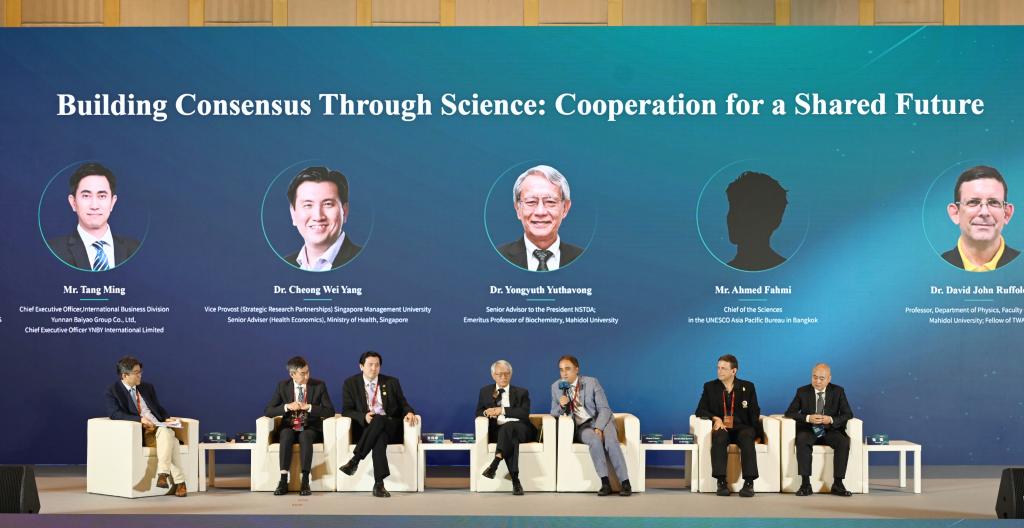
Leaders Dialogue, "Building Consensus Through Science: Cooperation for a Shared Future," moderated by Prof. George F. Gao.
The twopanel discussions,“Frontiers of AI and Life Sciences Cooperation”and“AI-Enabled Drug Discovery & Modernization of Traditional Medicine,”brought together experts from China and Thailand to discuss AI-enabled medical tools, precision medicine, cross-border research collaboration, AI-driven drug discovery, the modernization of Chinese and Thai traditional medicine, and the translation of biomedical innovation.
Cooperation Outcomes Announced
Two major cooperation outcomes were announced during the opening ceremony. Kunming Medical University and Mahidol University signed an agreement to jointly establish the KMU Medical College in Collaboration with MU, a Sino-foreign cooperative institution focusing on joint education programs in nursing, public health and physiotherapy, as well as research cooperation, faculty development and academic exchange in medical and health sciences.
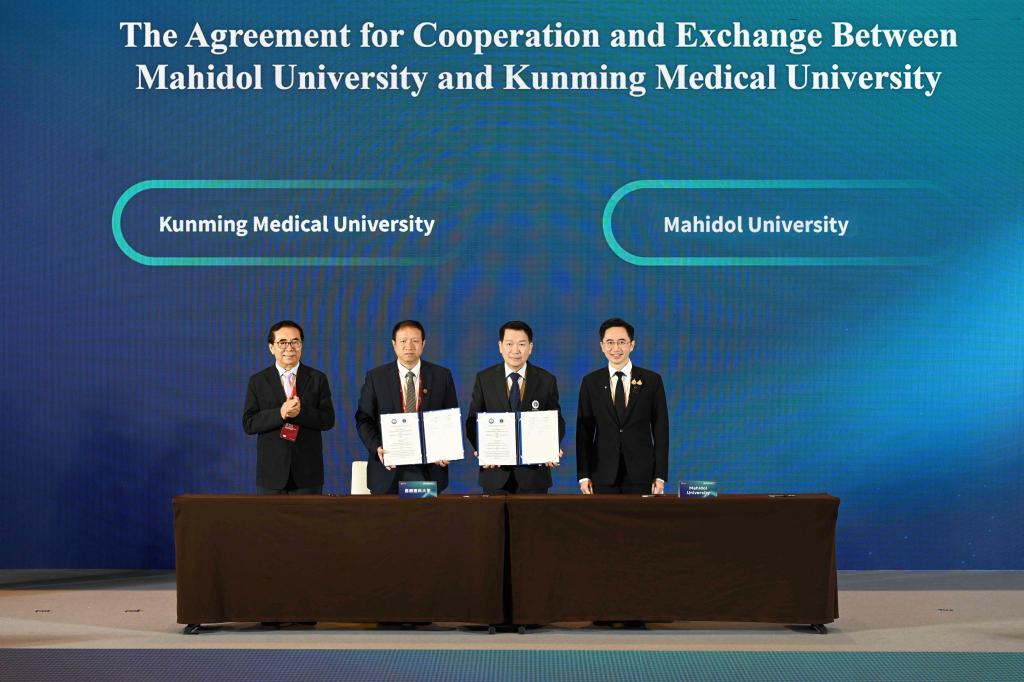
Signing ceremony between Kunming Medical University and Mahidol University to establish the KMU Medical College in Collaboration with MU.
In addition, Walvax Biotechnology Co., Ltd., Yunnan ASXAN Biotech Co., Ltd., Yunnan University, Burapha University and JSP Pharmaceutical Manufacturing (Thailand) Public Co., Ltd. signed a five-partyMOUto establish an international joint laboratory. The laboratory will focus on biomedicine and biomanufacturing, integrating Chinese and Thai research and industrial resources to support innovation in the life and health industries across China, South Asia and Southeast Asia.
On the sidelines, Yunnan Baiyao held the Thailand launch of its “New Oral Health Standard” toothpaste, demonstrating how research-based product innovation can serve everyday health needs in regional markets.
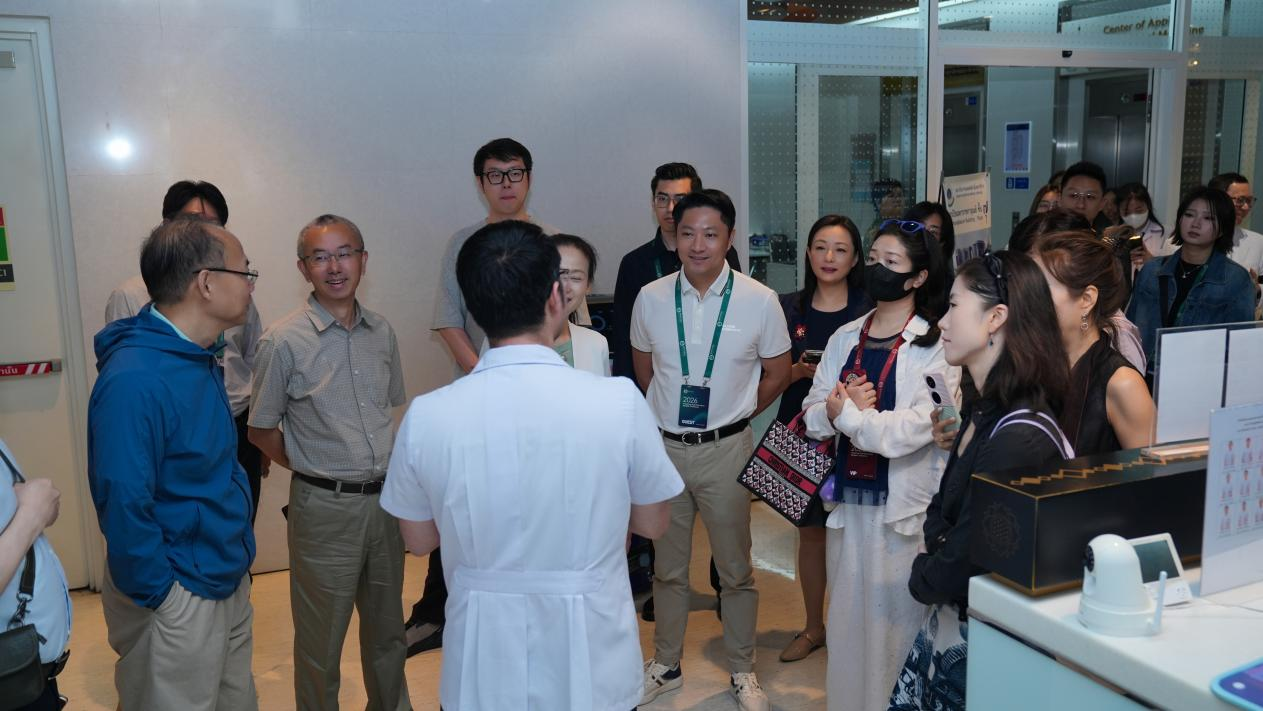
Conference delegates visittheFaculty of Medicine Siriraj Hospital, Mahidol University.
Featuring high-level keynote speeches, frontier dialogues, cooperation signings, project roadshows, scientist-led campus science outreach activities and visits to research institutions and enterprises, the Bangkok Conference was designed as a practical platform linking policy dialogue, academic exchange and innovation implementation.
TSF Expands Its Global Vision
Jointly initiated by Gu Binglin, former President of Tsinghua University; Xu Zhihong, former President of Peking University; and Rao Zihe, former President of Nankai University, the TSF is guided by the principle of “Science and Technology Leading the Future” and is committed to promoting advanced academic exchange, government–industry–academia–research cooperation, technology transfer and scientific cooperation between China and South and Southeast Asia.
Since its launch in 2022, the Forum has grown into an influential science platform in China and has been included in the action plan of the Global Civilizations Dialogue Ministerial Meeting. The Bangkok Conference marks an important step in the Forum’s development from a national science platform toward an international cooperation platform, and will serve as a model for building a regular, multi-regional mechanism for international science dialogue and cooperation.